If you have already taken our Online Water Assessment, you have done something most people never get around to. You paused and asked a simple but important question: what is actually in the water my family drinks, cooks with, and bathes in every day? That single step puts you ahead of the curve.

The next step, choosing a system, is where many people stall. There are countless products on the market, a dizzying amount of technical language, and no shortage of bold claims. Our goal with this guide is to make the decision feel clear and approachable. We want you to understand the why behind each option so you can choose with confidence.
1. Why Your Water Matters More Than You Think
When most of us think about water quality, we picture a glass of drinking water. And that makes sense. Proper hydration is crucial for so much of how we feel and function, from brain performance and mood to digestion, metabolism, and cardiovascular health.

But the truth is that drinking water is only part of the picture. Think about all the other ways water moves through your home every single day: bathing and showering, cooking, rinsing and preparing your fruits and vegetables, washing dishes, and doing laundry. Your skin absorbs what is in your shower water. Your vegetables soak up what is in your rinse water. Your morning coffee is mostly the water you brewed it with.
When you look at it that way, the quality of the water flowing through your whole home becomes deeply important to your wellness, not just the water in your drinking glass.
2. Common Contaminants in U.S. Tap Water
Before choosing a solution, it helps to understand what we are actually trying to address. Water picks up a wide range of substances on its journey from the source to your faucet. The most common categories include:
- Heavy metals, such as lead, arsenic, and mercury, which can leach into water from aging pipes and the surrounding environment.
- Man-made chemicals, including PFAS (the so-called forever chemicals) and the pesticides and herbicides that run off into our water supplies.
- Biological and agricultural contaminants, such as nitrates from fertilizer runoff and microorganisms like E. coli, which are a particular concern for homes on well water.
- Disinfection byproducts, which form when municipalities treat water with chlorine and chloramines to make it safe to transport. Helpful as that treatment is, it can leave behind compounds worth addressing.
- Minerals, including the calcium and magnesium that create hard water, leading to scale buildup, spotty dishes, and dry skin and hair.
So how do you find out what is in your particular water? If you are on city water, your municipal water provider publishes an annual water quality report, sometimes called a Consumer Confidence Report, that lists what has been detected in your supply. If you are on well water, a home water test kit is the best way to see exactly what you are working with, since private wells are not covered by municipal testing.
One detail that surprises many people: the EPA enforces limits for only around 90 contaminants, and those limits are based on yearly averages. That means short-term spikes can occur without triggering a violation, and many emerging compounds are not yet regulated at all. This is not a reason to panic. It is simply a good reason to take ownership of your own water rather than assuming it has been fully addressed for you.
3. Where to Filter: Point of Use vs. Point of Entry
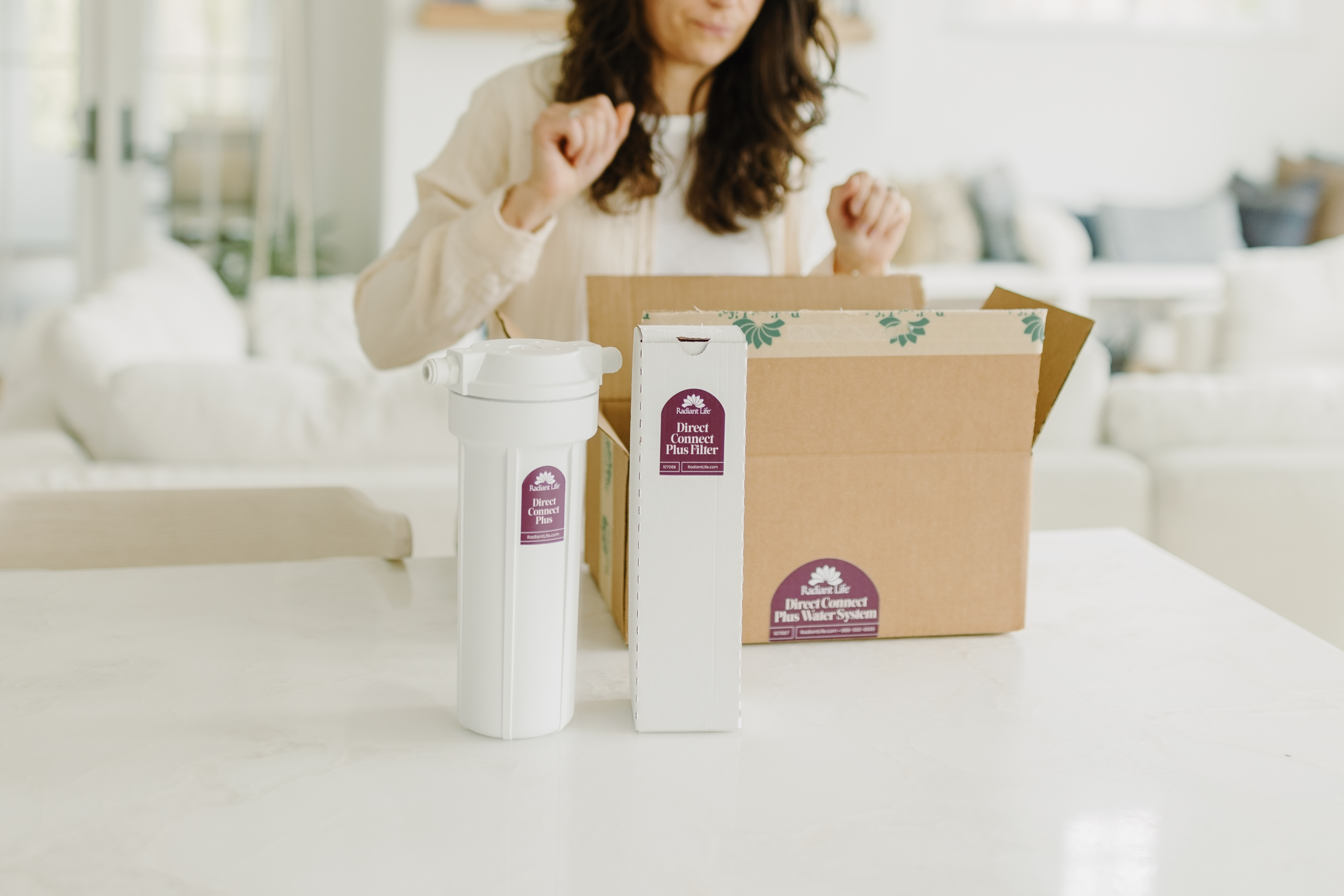
Once you decide to address the water in your home, the next question is where. There are two main approaches, and many families find the best results by combining them.
Point of use systems treat water at a single location, most often the kitchen sink, to give you clean, great-tasting water for drinking and cooking. If your main priority is the water you and your family drink every day, this is often the place to start.
Point of entry systems, also known as whole house systems, treat the water as it enters your home, so that every tap, shower, and appliance benefits. This is the approach to consider when you want to address bathing, laundry, and skin and hair concerns, not just drinking water.
There is no single right answer here. The best solution is the one that fits your home, your water, and your priorities.
4. Filter vs. Purifier: What Is the Difference?
This is one of the most common questions we hear, and it is an important one, because the two terms are not interchangeable.
Filtration works by passing water through a medium, often high-quality carbon, that is designed to reduce contaminants such as chlorine, chloramines, sediment, and a range of chemicals while leaving beneficial minerals in place. Filtration is excellent for improving taste, odor, and overall water quality across a broad range of common contaminants.
Purification goes a step further and is designed to reduce the widest possible range of contaminants, including many that filtration alone does not fully address. Purification technologies include:
- Reverse osmosis (RO), which pushes water through a fine membrane.
- Deionization (DI), which is designed to reduce dissolved minerals and charged contaminants.
- Distillation, which separates water from contaminants through evaporation and condensation.
- UV light, which is specifically aimed at microorganisms.
In short, a filter is designed to reduce many of the things you do not want, while a purifier is designed to take that reduction to its highest level for your drinking water.
Finding the Right Radiant Life Solution for You
Here is how our flagship systems map to the choices above.
For your drinking water (point of use)
- Our 14-Stage Drinking Water Purification System is our top recommendation for the purest possible drinking water. It uses a multi-stage process including reverse osmosis and deionization, and the water is then remineralized and restructured, so you get water that is both purified and replenished.
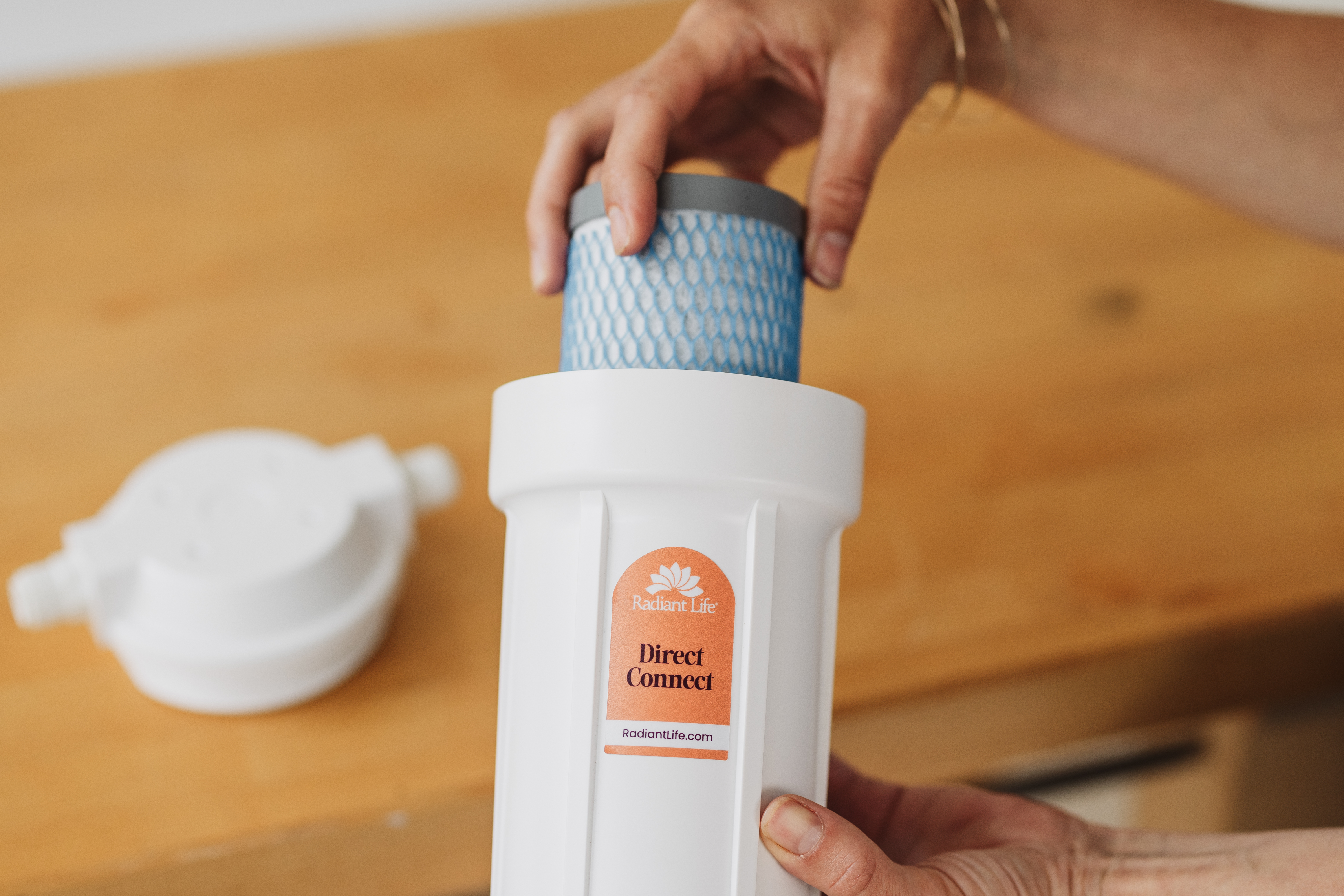
- Our under-sink Direct Connect and Direct Connect Plus systems are an elegant, lower-profile option for filtered drinking water straight from your existing faucet.
- Our countertop Gravity Filter and Gravity System XL require no plumbing changes at all, making them a favorite for renters, apartments, and anyone who wants a simple, beautiful solution on the counter.
For your whole home (point of entry)
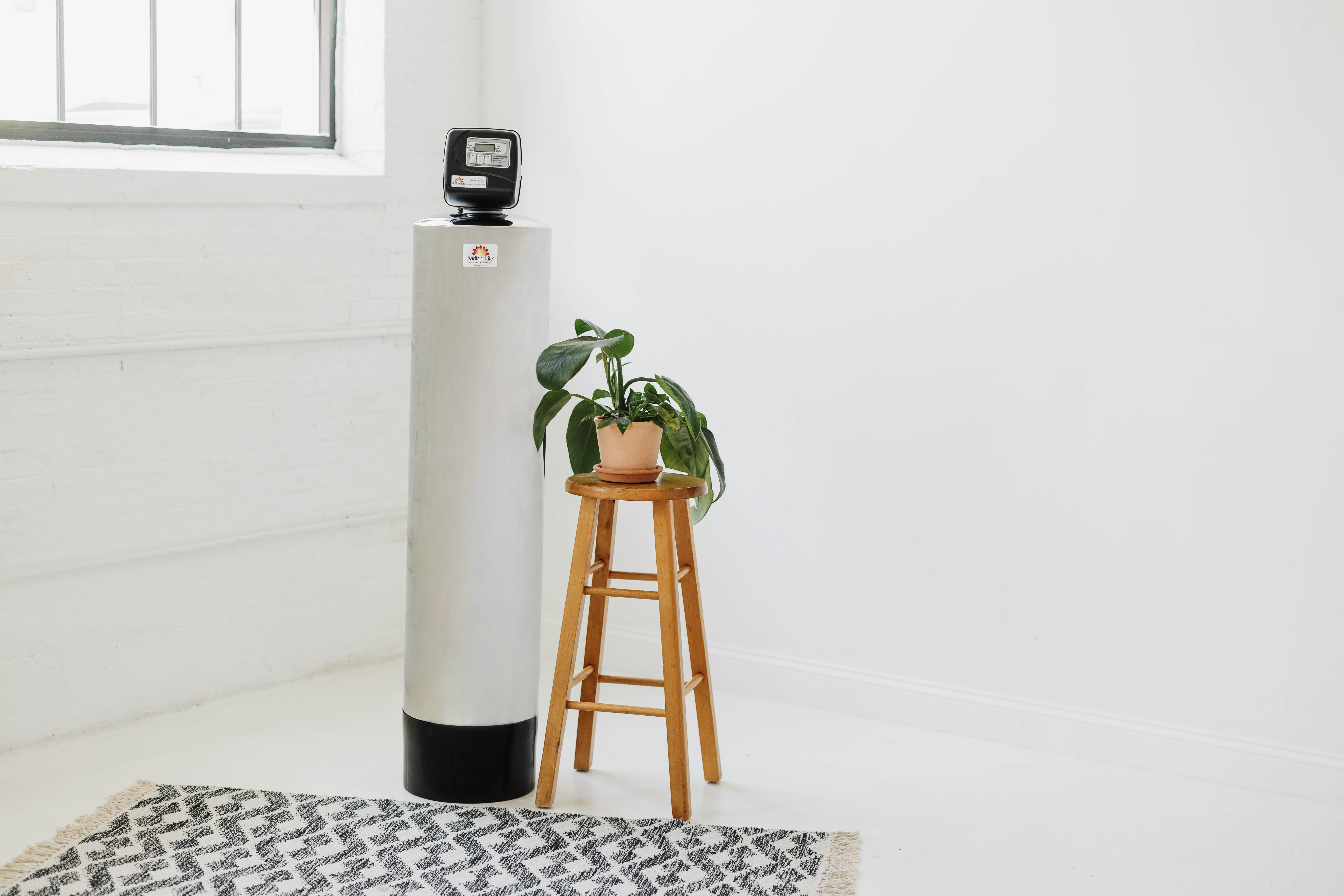
- Our Whole House Water Filtration Systems treat all the water entering your home and feature a 7-10+ year filter life with no regular maintenance, addressing chlorine, chloramines, and many other contaminants before they reach a single tap.
- Our Whole House Conditioners help manage hard water without salt, and our Whole House Softeners use traditional softening to tackle higher hardness levels and protect your plumbing, appliances, skin, and hair.
For bathing (a simple first step)
- Our Bath and Shower Filters are an easy, affordable way to address chlorine in the water your skin and hair absorb every day.
You Have Already Taken the Hardest Step
Choosing to investigate your water is the part that most people never do, and you have already done it. Now let us help you turn that information into the right solution for your home and family.
|
If you have questions about your assessment results, or you would simply like a knowledgeable person to walk you through your options, our Water Division is here for you. Please call us at (888) 593-9595, Option 3, and a member of our water research team will be glad to help you select the optimal system for safe, clean water in every part of your daily life. |