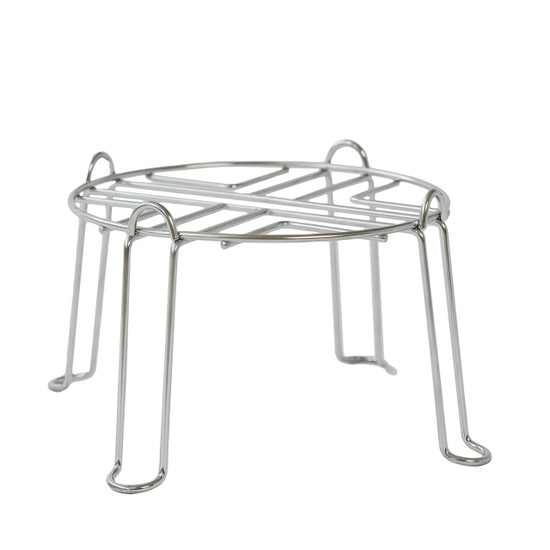


This sediment filter gets installed on the main line before a whole house system. Its designed to catch sand, silt, rust and clay before they reach your treatment tanks and fixtures.
The 10 inch housing is 13.3 inches tall and the 20 inch is 23.2 inches tall. Both use the same 4.5 inch diameter cartridge, but the 20 inch version holds twice the length of filter media, so it lasts longer between changes.
We have complete kits that come with 10" or 20" housings that include, the mounting bracket, the wrench and the first cartridge already in the housing.
The cartridges we have come in pleated or solid options. Choosing between a pleated or solid filter cartridge depends on your water type, sediment levels, and maintenance preferences.
Pleated Cartridges
- Made of washable polyester or synthetic media folded into pleats.This creates a large surface area.
- They offer high flow rates and a lower pressure drop.
- They capture dirt on the surface layer. Fine silt or clay can get trapped deep in the pleats and become hard to wash out completely.
Solid Cartridges
- Made of thermal-bonded polypropylene fibers forming a dense solid depth matrix
- They capture particles throughout the entire thickness of the filter, meaning great dirt-loading capacity.
- Once full of sediment it is unable to be cleaned and would have to be replaced.
Most homeowners install this filter themselves. Basic plumbing skills and a pipe wrench are all you need.
- Turn off the pump and relieve pressure: Switch off the well pump at the breaker. Open a faucet to drain residual pressure from the line.
- Mount the bracket: Secure the heavy-duty steel bracket to the wall using the included hardware. Choose a spot after the pressure tank with enough clearance below the housing to remove the sump (at least 8" below).
- Cut into the main line: Cut the pipe after the pressure tank and install shutoff valves on both sides of the filter for easy isolation during cartridge changes.
- Connect the plumbing: Thread the 1" NPT connections into the housing head. Use Teflon tape on all threaded joints. Water flows IN through the right port and OUT through the left port (marked on the housing cap).
- Turn on and check for leaks: Turn the pump back on slowly. Press the pressure relief button to bleed air from the housing. Inspect all connections for drips.
Cartridge Replacement:
Press the pressure relief button on the housing cap to depressurize. Use the included filter wrench to unscrew the sump. Remove the old cartridge and drop in a new one. Re-tighten the sump hand-tight, then a quarter turn with the wrench. Open the water and press the relief button again to bleed air. The whole process takes about 5 minutes.
Housing Inspection During each cartridge change
When the sump is off, inspect the O-ring on the housing head for cracks or flat spots. Apply a thin coat of food-grade silicone lubricant to the O-ring to maintain a good seal. Check the sump interior for any buildup or discoloration.
Pressure Drop Monitoring Ongoing
If you notice reduced water pressure in the house, the cartridge is likely loaded with sediment and needs changing. Heavy sediment wells may need more regular changes.
| Connection Size | 1" NPT (Female) |
|---|---|
| Housing Material | High-Flow Polypropylene (HFPP) |
| Pressure Relief | Yes — built-in button on cap |
| Certification | NSF/ANSI Standard 42 |
| Compatible Cartridges | Any standard Big Blue cartridge (1, 5 or 20 micron) |
20-Micron Filter (Coarse)
- What it catches: Sand, large rust flakes, heavy grit, and coarse sediment.
- Water flows through easily, causing very little pressure drop. It takes a long time to clog because it only stops larger debris.
5-Micron Filter (Fine)
- What it catches: Finer silt, smaller rust particles, cloudiness, and suspended dirt.
- Catches tiny particles down to the size of a single human hair.
1-Micron Filter (Very Fine)
- What it catches: Extremely fine clay silt, microscopic haze, and some larger cysts (if rated absolute)
- Provides the highest level of physical particle clarity for your water. However, It loads up and clogs very quickly if your water has a normal amount of dirt. It also causes a noticeable drop in water pressure over time as it clogs.